If discharged from radioactive material within the body, the alpha particles are very harmful. The alpha bits can strike delicate lung tissue triggering damage to the cells in the lungs ultimately increasing the risk of lung cancer cells. Epidemiological pooling research studies validate a linear as well as statistically quantifiable increase in loved one lifetime danger of lung cancer at ≥ 100 Bq/m3 persistent radon exposure1,21,22. In Canada, 200 Bq/m3 is the maximum tolerated persistent direct exposure dose, with suggestions being to pursue as low as moderately achievable8.
How much does it cost to fix radon in house?
The cost of a mitigation system may vary according to the home's design, size, foundation, construction materials and the local climate. Radon reduction systems average costs nationally are $1,200 with a range from $800 to $1500 common depending on house and market conditions.
Nevertheless, our information clearly shows that this method has not had a significant effect on radon exposure so far, with residential or commercial properties built from 2010-- 2018 having the highest radon documented to day. The intent of RRNC is for new homes, institutions, as well as other buildings to be constructed to prevent radon from gathering at damaging levels. The home builder mounts details elements of radon mitigation system while the structure is still incomplete. The added price at the time of building is taken into consideration marginal compared to after building is finished. RRNC minimizes the threat as well as incidence of lung cancer by removing radon danger entirely.
If testing reveals a much higher degree, you'll most definitely require reduction and also may need more considerable renovations to seal the source of the gas. While any type of degree of radon can have a result, the EPA states readings listed below 2 pCi/L is thought about normal and also just lugs a reasonably tiny increased risk of lung cancer. It's frequently difficult yet feasible to decrease radon gas exposure below these levels. Radon originating from the soil under houses is an extra typical problem as well as a far larger public wellness risk than radon from granite building materials.
What kind of cancer is caused by radon?
Radon decays quickly, giving off tiny radioactive particles. When inhaled, these radioactive particles can damage the cells that line the lung. Long-term exposure to radon can lead to lung cancer, the only cancer proven to be associated with inhaling radon.
Radon address search
Nevertheless, some US states, such as Maine where radon levels are more than the nationwide average, suggest all well water needs to be examined for radon. The United States government has not set an action level for radon in water. But outside air is large as well as open, so radon degrees remain reasonably reduced.
Is radon really a big deal?
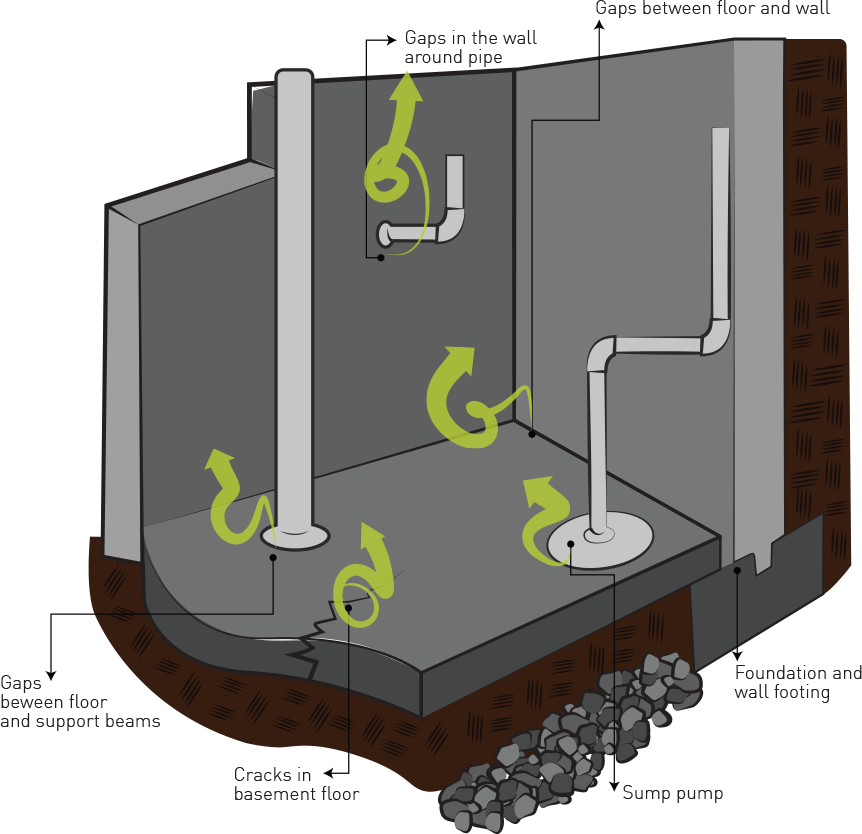
Radon is a radioactive gas that has been found in homes all over the United States. It comes from the natural breakdown of uranium in soil, rock, and water and gets into the air you breathe. Radon typically moves up through the ground to the air above and into your home through cracks and other holes in the foundation.
Given that it's enclosed, it traps the radon and creates it to accumulate. Direct exposure to high levels of radon-- more than 4 picocuries per litre-- can be unsafe over extended periods of time. If your home has radon, there are effective ways to mitigate it.
Why is radon bad for you?
Radon produces a radioactive dust in the air we breathe. The dust is trapped in our airways and emits radiation that damages the inside of our lungs. This damage, like the damage caused by smoking, increases our risk of lung cancer.
How long do you have to be exposed to radon before it becomes a problem?

Radon is a radioactive gas and exposure to it causes 21,000 lung cancer deaths per year—only smoking causes more. Because you can't see, smell or taste radon, it's important to periodically test the air in your home. Believing you live in a region not affected by radon is just one of the myths about this deadly gas.
How much does radon cost per gram?
Radon is available at a cost of about $4/mCi.
How do I know if my house has radon?
In fact, you're probably breathing it in every day, even if it's at a low level. However, you can't tell if you're breathing it in at a high level. The danger in radon exposure is that you can't see it, taste it, or smell it. And you won't have any symptoms to alert you.
- Throughout the years, information that tracks radon degrees suggests that a huge portion of Pennsylvania residences have a significant radon issue.
- Radon gas is dangerous, and also if the trouble goes neglected, the radon concentration continues to increase inside your home.
- Radon gas enters your residence or other home from the outdoors, and over time, slowly gathers to dangerous levels that can result in a boosted danger of lung cancer cells or breathing concerns.
- Radon gas testing will certainly assist ensure your security, and also the process of radon screening is strongly recommended by The Department of Environmental Protection (DEP) complied with by reduction and remediation if needed.
What is radon in the home?
Radon is a radioactive gas that has been found in homes all over the United States. It comes from the natural breakdown of uranium in soil, rock, and water and gets into the air you breathe. Radon typically moves up through the ground to the air above and into your home through cracks and other holes in the foundation.
What causes radon?
Being exposed to radon for a long period of time can lead to lung cancer. Radon gas in the air breaks down into tiny radioactive elements (radon progeny) that can lodge in the lining of the lungs, where they can give off radiation. This radiation can damage lung cells and eventually lead to lung cancer.
Is it hard to sell a house with radon?
Fortunately, it's not hard to sell a house with radon, provided that you alert potential buyers and mitigate the problem, say Brian Thomas, a top real estate agent in the Denver, Colorado area, with 16 years of experience. “For as much fear and uncertainty as radon causes, there's an easy fix.”
How do Click for source I make my house safe from radon?
Install a layer of gas-permeable aggregate, such as four inches of gravel, beneath the slab or flooring system of your home if you don't have a crawlspace. Cover this layer or your crawlspace floor with plastic sheeting to stop radon gas from moving past that level and into your home.
How do you eliminate radon?
If a person has been exposed to radon, 75 percent of the radon progeny in lungs will become "harmless" lead particles after 44 years. When an alpha particle damages a cell to make it cancerous, the onset of lung cancer takes a minimum of 5 years but most often 15 to 25 years, and even longer.
Is radon only in the basement?
Radon is completely odorless as well as being invisible. Because it is often found unexpectedly in basements, some people mistakenly believe that it only occurs in basements. Most commonly homes with basements are suspect for having higher radon levels.
How common is radon in a home?
It's common: About 1 in every 15 homes has what's considered an elevated radon level. The gas is odorless and invisible, says the EPA, and it causes no immediate symptoms, so the only way to know if your home is affected is by testing your individual residence.
Is radon something to worry about?
The average home has about docdro.id/NNtGMN6 1.3 pCi/L of radon. Such levels aren't enough to worry about, but under the right conditions, they could make you sick. According to the EPA, a nonsmoker who was exposed to average levels of radon for a lifetime would have a 1 in 500 risk of developing lung cancer.
Is a radon level of 5 bad?
Safe radon levels. The best radon level measurement would be zero. The average global outdoor radon level varies between 5-15 Bq/m3, equal to 0.135-0.405 pCi/L. For every 99.9 Bq/m3, or every 2.7 pCI/L increase in long term radon exposure, lung cancer risk rises 16 percent.
Can I install my own radon mitigation system?
In most cases, pros charge about $1,500 to install a radon mitigation system, but you can do it yourself for only about $500 in materials. So if you're fairly handy and have some carpentry, plumbing and electrical skills, you can install your own system in a weekend and save yourself a thousand bucks!